Why this exists
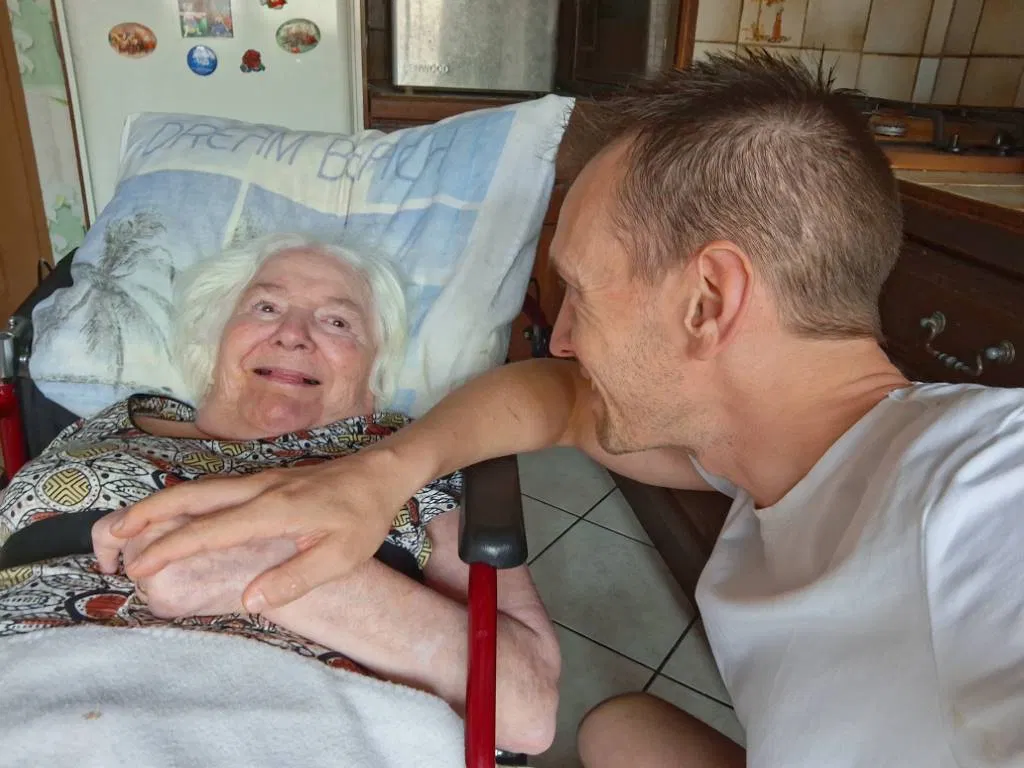
My mother’s memory is fading.
I watch her forget the recipes she taught me. The waffles we made together on Sunday mornings. The little rituals that built my childhood.
So food and memory are not abstract topics for me. They are my family.
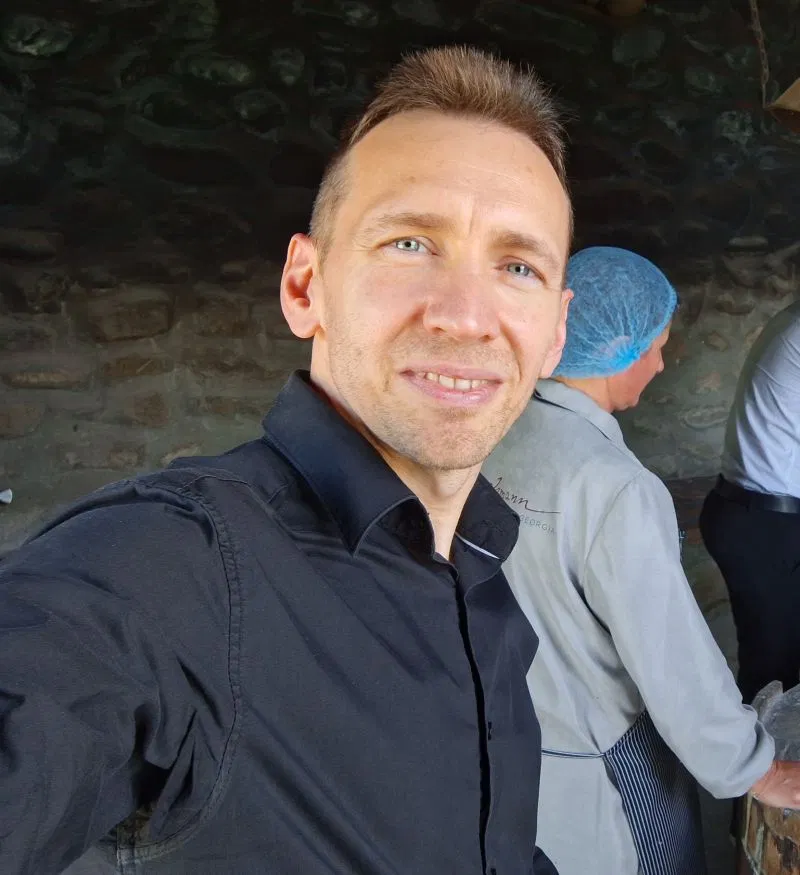
I’m an engineer. When something matters to me, I study it. I spent hundreds of hours reading metabolic research. I wore a glucose monitor and watched my own blood sugar rise and fall on a graph, meal after meal, for months.
I thought knowledge would be enough.
Then one afternoon I walked into a grocery store for blueberries. The bakery had just pulled bread from the oven. And my brain — my careful, educated, data-driven brain — said: eat the bread. Eat it now.
I stood there with all my science, and the smell of warm bread won.
For a while, I was angry at myself. Where was my discipline?
And then, after months of glucose curves, after hundreds of hours of research, after watching my mother lose the very memories that food had built for us — I realized something simple:
It was never a willpower problem. It was a pattern problem.
The craving didn’t start in the bakery. It started hours earlier — in how I slept, when I ate, what my morning looked like, what my day had already taken out of me. By the time I smelled the bread, the decision was already made.
I was fighting single moments. The pattern was running the whole day.
Once I saw my own pattern, I stopped fighting my body and started working with it. Small swaps. Same pleasures. New habits that fit my real life. Nothing extreme, nothing joyless.
That shift is what this project is about.